Canary Islands
Location and Geography
Canary Islands is strategically positioned in the Atlantic Ocean, approximately 100 kilometers from the coasts of Morocco and Western Sahara. This privileged Spanish autonomous community consists of seven main islands - Tenerife, Gran Canaria, Lanzarote, Fuerteventura, La Palma, La Gomera, and El Hierro - along with several smaller islets, each with its unique personality and distinctive volcanic characteristics.
Natural Diversity and Landscapes
The archipelago stands out for its extraordinary landscape diversity, resulting from its volcanic origin and varied terrain. From the lunar landscapes of Lanzarote to the lush laurel forests of La Gomera, the islands house four national parks that protect unique ecosystems, including the majestic Teide in Tenerife, Spain's highest peak.
Climate and Tourism
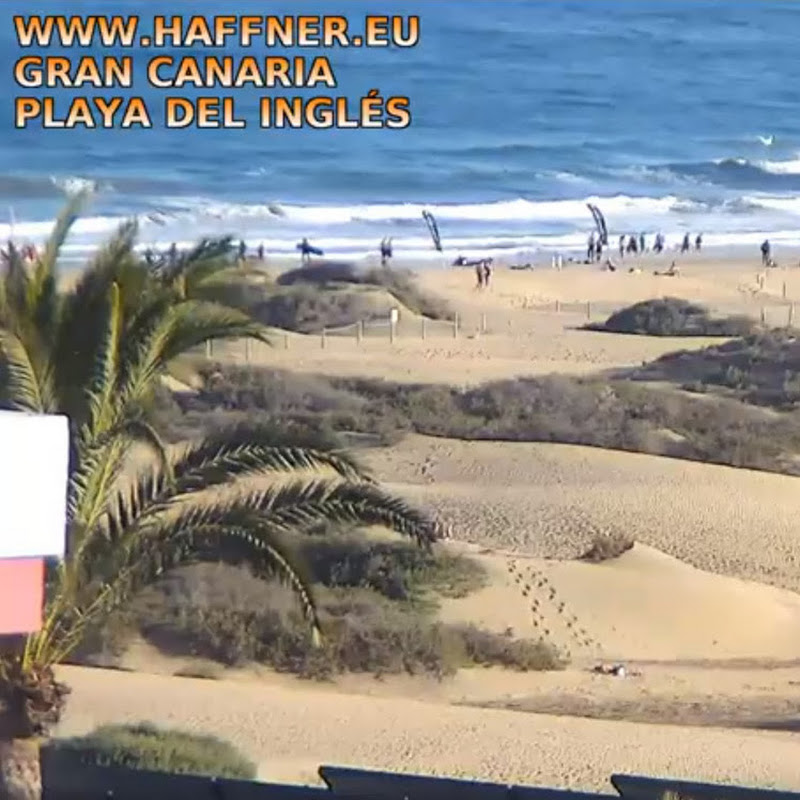
Known as the «Fortunate Islands», Canary Islands enjoys a subtropical oceanic climate that offers mild temperatures year-round. This privileged climatic condition, combined with its golden and black sand beaches, its rich Atlantic cuisine, and its unique cultural heritage, makes the archipelago a premier tourist destination that attracts millions of annual visitors from across Europe.
'/%3E%3Cg transform='translate(400,300)'%3E%3Ccircle cx='0' cy='0' r='120' fill='%236b7280' opacity='0.3'/%3E%3Cpath d='M-60,-40 L-20,-60 L20,-40 L60,-20 L40,20 L0,40 L-40,20 Z' fill='%23374151' opacity='0.6'/%3E%3Ctext x='0' y='-10' text-anchor='middle' font-family='Arial, sans-serif' font-size='16' fill='%236b7280'%3EMap loading...%3C/text%3E%3Ctext x='0' y='10' text-anchor='middle' font-family='Arial, sans-serif' font-size='12' fill='%239ca3af'%3EPlease wait%3C/text%3E%3C/g%3E%3C/svg%3E)
Webcam operators in Canary Islands
View all operators






Location and Geography
Canary Islands is strategically positioned in the Atlantic Ocean, approximately 100 kilometers from the coasts of Morocco and Western Sahara. This privileged Spanish autonomous community consists of seven main islands - Tenerife, Gran Canaria, Lanzarote, Fuerteventura, La Palma, La Gomera, and El Hierro - along with several smaller islets, each with its unique personality and distinctive volcanic characteristics.
Natural Diversity and Landscapes
The archipelago stands out for its extraordinary landscape diversity, resulting from its volcanic origin and varied terrain. From the lunar landscapes of Lanzarote to the lush laurel forests of La Gomera, the islands house four national parks that protect unique ecosystems, including the majestic Teide in Tenerife, Spain's highest peak.
Climate and Tourism
Known as the «Fortunate Islands», Canary Islands enjoys a subtropical oceanic climate that offers mild temperatures year-round. This privileged climatic condition, combined with its golden and black sand beaches, its rich Atlantic cuisine, and its unique cultural heritage, makes the archipelago a premier tourist destination that attracts millions of annual visitors from across Europe.
Feeling Adventurous?
Let us surprise you with a random live webcam from anywhere in Canary Islands. Discover hidden gems and breathtaking views you never knew existed!